
What makes a classic car special isn’t always its price. Sometimes it’s the design. Sometimes it’s the engine. Sometimes it’s the memories connected to a particular model. We’ve put together 10 iconic American classics that continue to capture the imagination of car enthusiasts. And we’ve saved one of the most recognizable names on this list for the very end. Let’s start with number 10.
10. 1959 Cadillac Eldorado
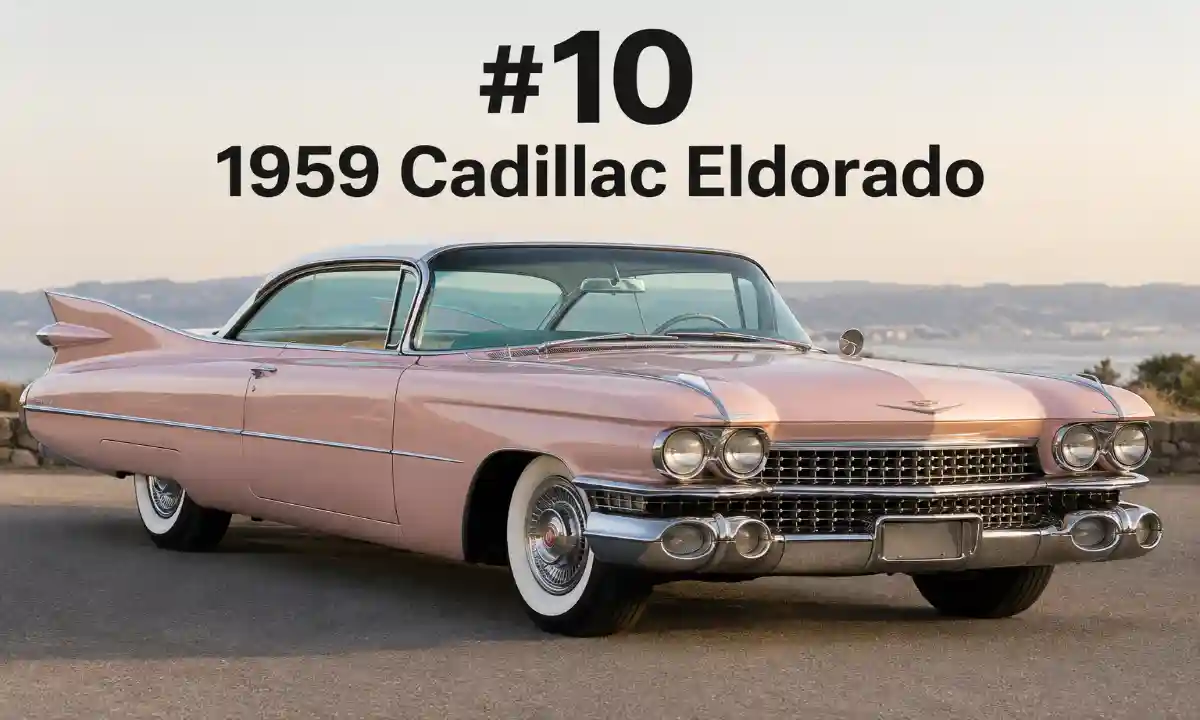
The 1959 Cadillac Eldorado is almost impossible to mistake for anything else on the road.
With its enormous tailfins, extensive chrome, long body, and unmistakable late-1950s styling, the Eldorado represents an era when American automotive design was anything but subtle.
Cadillac was competing in a luxury market where appearance was a major part of the ownership experience. The result was a vehicle that looked dramatically different from the cars that came before it.
Today, the 1959 Eldorado remains fascinating to enthusiasts who appreciate the extravagant design language of the period.
It isn’t necessarily the first classic car that comes to mind when people think of muscle cars—but that’s exactly what makes it interesting.
9. 1961 Chevrolet Impala
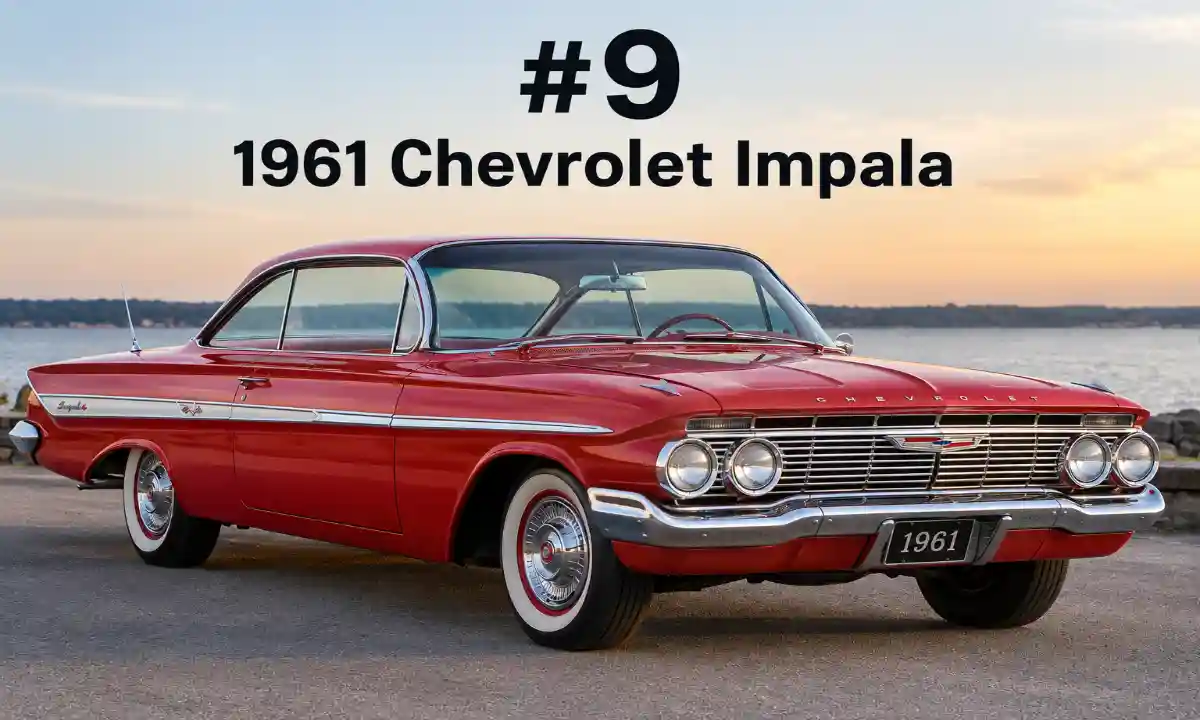
The early 1960s brought a noticeable change in American automotive design.
The 1961 Chevrolet Impala moved away from some of the exaggerated styling of the previous decade and introduced a cleaner, more modern appearance.
The Impala was available in several body styles and configurations, giving American buyers plenty of choices.
Today, the 1961 model attracts enthusiasts who appreciate its combination of full-size proportions, classic Chevrolet styling, and historical significance.
For some owners, the appeal is also deeply personal. Cars from this era often remind people of family members, childhood memories, or stories from America’s changing automotive culture.
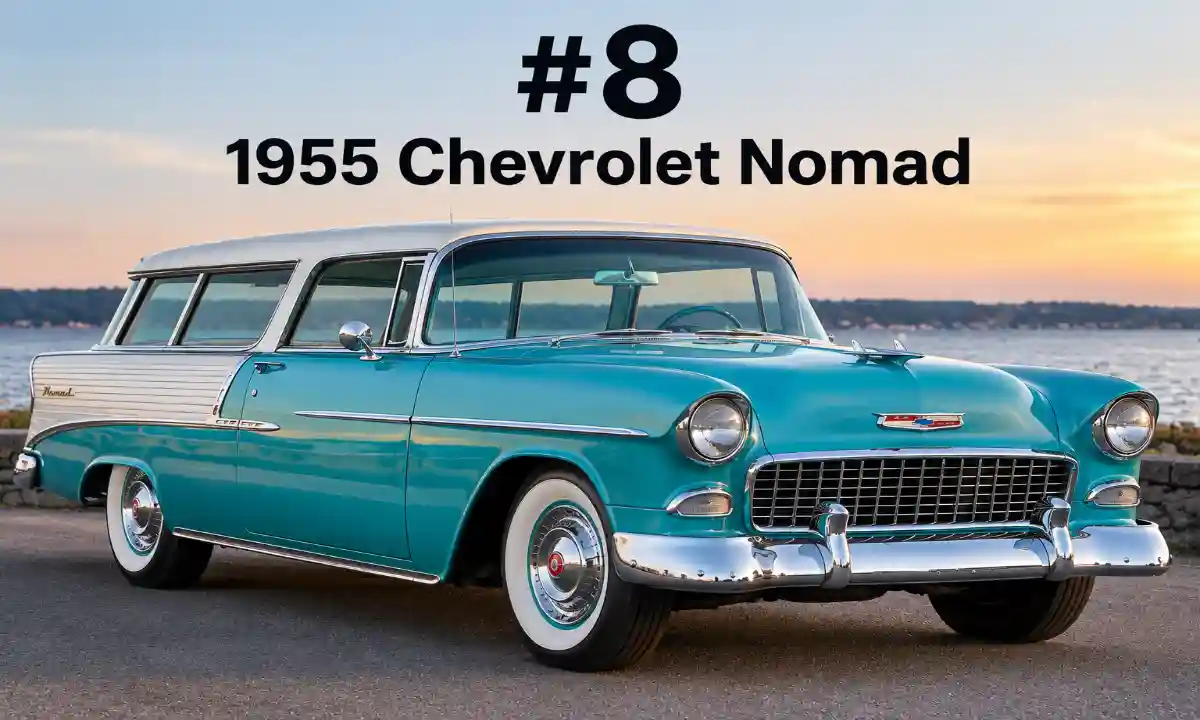
8. 1955 Chevrolet Nomad
Not every legendary classic needs to be a muscle car.
The 1955 Chevrolet Nomad is a perfect example.
As part of Chevrolet’s famous Tri-Five era, the Nomad combined the practicality of a wagon with the styling of a sporty two-door vehicle.
Its chrome details, two-tone paint possibilities, and distinctive roofline helped separate it from ordinary family vehicles.
The Nomad has developed a dedicated following among collectors and restoration enthusiasts.
Today, a beautifully restored example can attract plenty of attention at local cruise nights and classic-car shows.
It also shows just how diverse America’s classic-car culture really is.
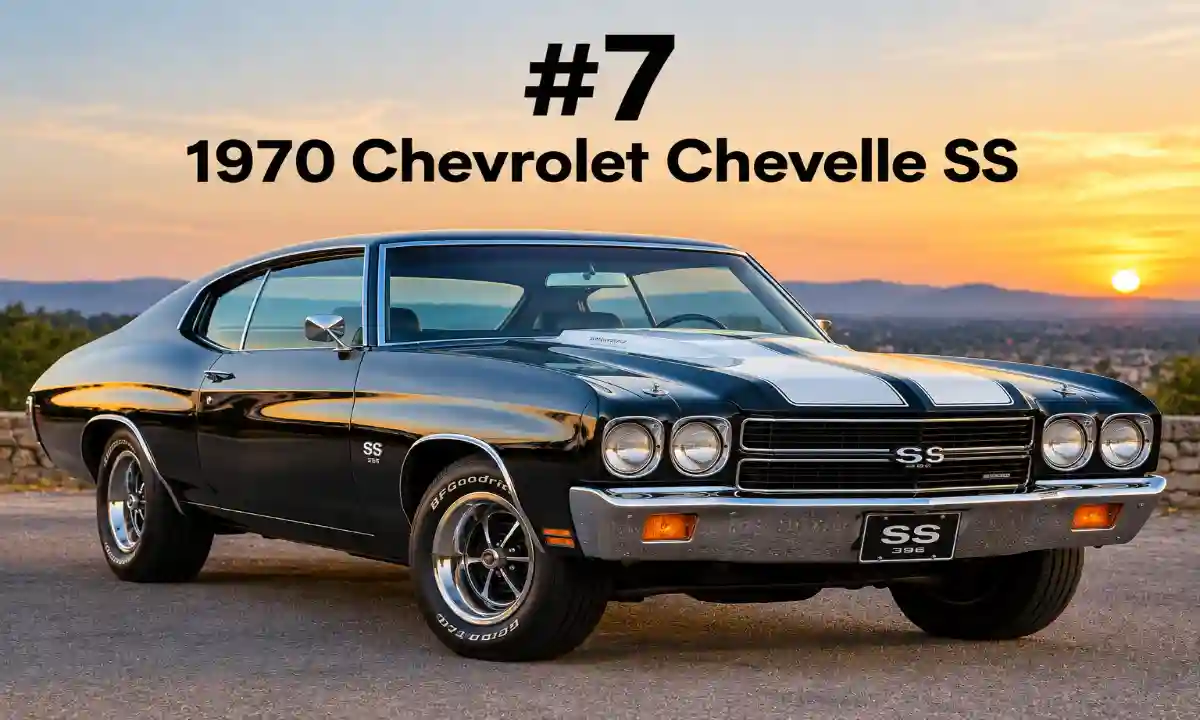
7. 1970 Chevrolet Chevelle SS
Now we get into serious muscle-car territory.
The 1970 Chevrolet Chevelle SS is one of the most recognizable performance cars from America’s classic muscle era.
Its aggressive proportions, broad stance, and available high-performance configurations gave it a strong identity among performance enthusiasts.
The Chevelle also demonstrates why researching a classic car is so important.
Different engines, options, trims, and production configurations can make two cars that look similar quite different from one another.
For collectors, details such as documentation, originality, engine identification, and restoration history can be extremely important.
But even without knowing every specification, it’s hard to ignore the presence of a classic Chevelle SS.
6. 1966 Ford Mustang
The Ford Mustang helped create an entirely new category of American automobile.
When the Mustang arrived in the 1960s, it combined sporty styling with a size and range of options that appealed to a broad group of buyers.
By 1966, the Mustang had already become a major part of American car culture.
The first-generation design remains recognizable today, and enthusiasts continue to restore, modify, and preserve these cars.
One reason the early Mustang remains popular is its variety. Buyers can find everything from carefully preserved examples to highly customized builds.
For many enthusiasts, owning one is also a connection to the beginning of the pony-car era.
5. 1969 Dodge Charger
Few classic American cars have the road presence of a 1969 Dodge Charger.
Its long fastback profile, aggressive front styling, and wide rear end created a design that became instantly recognizable.
The Charger arrived during one of the most exciting periods in American performance-car history.
Different engine and trim configurations gave buyers a wide range of choices, while the styling helped make the model a cultural icon.
More than five decades later, the 1969 Charger remains a favorite among collectors, restorers, and enthusiasts.
Seeing a well-maintained example at a car show can still draw a crowd.
And we’re only halfway through the list.
4. 1969 Chevrolet Camaro SS
The 1969 Chevrolet Camaro represents another major chapter in the American muscle-car story.
Its sculpted body, distinctive front end, and aggressive stance helped give the Camaro a personality of its own.
The SS package added performance-oriented features and visual details that appealed to buyers looking for something more aggressive.
Today, the 1969 Camaro remains one of the classic cars most frequently associated with the golden era of American muscle.
However, not every 1969 Camaro has the same specifications.
Collectors often investigate factory documentation, engine codes, trim information, restoration history, and modifications before making a purchase.
That attention to detail is part of what makes classic-car collecting so interesting.
3. 1957 Chevrolet Bel Air
If there is one car that can immediately transport people back to 1950s America, the 1957 Chevrolet Bel Air is a strong candidate.
The design is filled with the visual characteristics that made the decade famous: chrome, dramatic rear fins, bright trim, and two-tone styling.
The Bel Air became one of Chevrolet’s most memorable models of the period.
Today, restored examples remain popular at classic-car shows, weekend cruises, and private collections.
But its appeal goes beyond appearance.
For many enthusiasts, the 1957 Bel Air represents a particular moment in American history when automobiles were becoming an important part of everyday culture and personal identity.
And now we’re down to the final two.
2. 1963 Chevrolet Corvette Stingray
The 1963 Chevrolet Corvette Stingray brought a completely different character to the list.
It was a sports car rather than a large cruiser or traditional muscle car, and its design helped establish a new visual identity for the Corvette.
The 1963 coupe is particularly famous because of its split rear window.
That feature was unique to the 1963 model year and has become one of the most recognizable details in Corvette history.
The Stingray also demonstrated that American automakers could produce a sports car with an identity that stood apart from European competitors.
For today’s enthusiasts, originality and documentation can be important when evaluating an early Corvette.
But before we reveal the final car, there’s one question:
Which classic car do you think belongs at number one?
1. 1967 Ford Mustang Shelby GT500
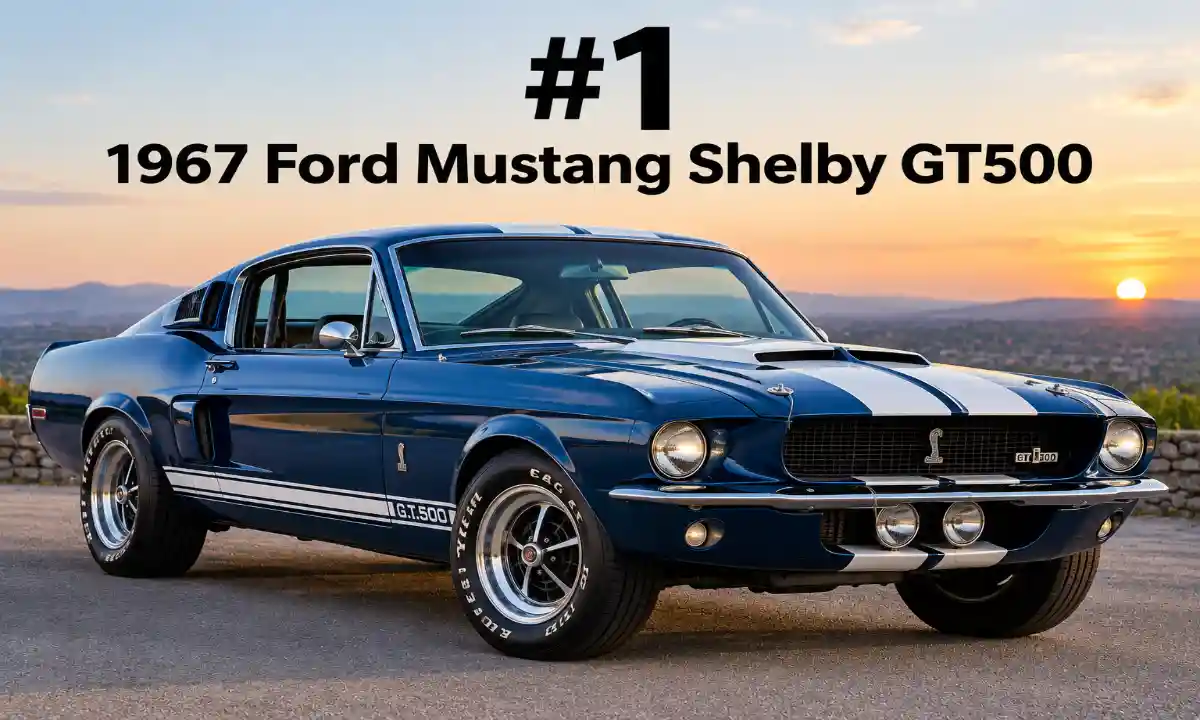
Here it is—the final car on our list.
The 1967 Ford Mustang Shelby GT500 combines the unmistakable shape of the first-generation Mustang with the performance-focused identity associated with Carroll Shelby.
The GT500 featured a more aggressive appearance and a powerful V8, giving it a very different character from an ordinary Mustang.
Its long hood, fastback body, Shelby details, and performance reputation helped make it one of the most memorable American cars of its era.
More than half a century later, the name still carries enormous recognition among Mustang and classic-car enthusiasts.
Originality, documentation, condition, and restoration quality can all matter when evaluating an example.
But perhaps the biggest reason this car continues to attract attention is simple: it looks like a classic American performance car should look.
Why Do These Cars Still Matter?
Classic cars continue to attract enthusiasts because they offer something modern vehicles often cannot easily reproduce: a direct connection to another era.
A classic car can represent a decade, a design movement, a technological change, or a personal memory.
Some people love the sound of an old V8.
Others are attracted to chrome and bodywork.
Some enjoy restoration and mechanical work.
And for many owners, the biggest attraction is simply the experience of driving something that looks and feels completely different from today’s vehicles.
Classic-car ownership can also become a social experience. Local car shows, cruise nights, collector groups, restoration communities, and automotive events bring enthusiasts together throughout the United States.
What Should You Consider Before Buying a Classic Car?
If you’re thinking about buying a classic, don’t make the decision based only on appearance.
Check the Vehicle History
Ask for available maintenance records, ownership information, restoration documentation, and other records that can help establish the car’s history.
Look for Rust
Rust can become an expensive problem, particularly when it affects structural areas or requires extensive bodywork.
Verify Originality
Determine whether the engine, transmission, interior, body panels, and other major components are original, restored, or replaced.
Get a Professional Inspection
A qualified mechanic familiar with classic vehicles can identify issues that may not be obvious during a casual inspection.
Calculate the Total Cost
The purchase price is only part of the expense.
Storage, maintenance, parts, tires, insurance, fuel, and restoration work can all contribute to the long-term cost of owning an older vehicle.
Classic Cars Are More Than Collectibles
For some people, a classic car is an investment or collectible.
For others, it’s a weekend hobby.
And for many enthusiasts, it’s simply a piece of history that they can drive.
That’s what makes classic-car culture so interesting. There isn’t one reason people love these vehicles.
A 1950s cruiser can attract someone who loves automotive design. A muscle car can appeal to a performance enthusiast. A Corvette can attract a sports-car fan. A Mustang can bring back memories of an entire generation.
Every car has a story—and every owner has a reason for choosing it.
Final Thoughts
These 10 cars represent just a small part of America’s enormous classic-car history.
From the dramatic styling of the 1959 Cadillac Eldorado to the performance image of the 1969 Camaro, the timeless shape of the 1957 Bel Air, and the legendary 1967 Shelby GT500, each one tells a different story.
Which one would you choose if you could park one in your garage?
Tell us your pick—and the classic car you think should have made this list.