
New Ammonia-Urea Fertilizer Plant Under Review: India has taken a decisive step toward strengthening domestic fertilizer production with the Namrup-IV brownfield ammonia-urea plant in Assam. The project is currently under technical, financial, and environmental review as part of its bidding and evaluation phase, making it the only active proposal that precisely matches the government’s “under review” classification as of January 2026.
Designed to address persistent urea shortages in eastern India—particularly Bihar and adjoining states— the Namrup-IV initiative aligns with national goals of reducing imports, stabilizing fertilizer supply, and promoting sustainable, energy-efficient manufacturing.
Project Overview
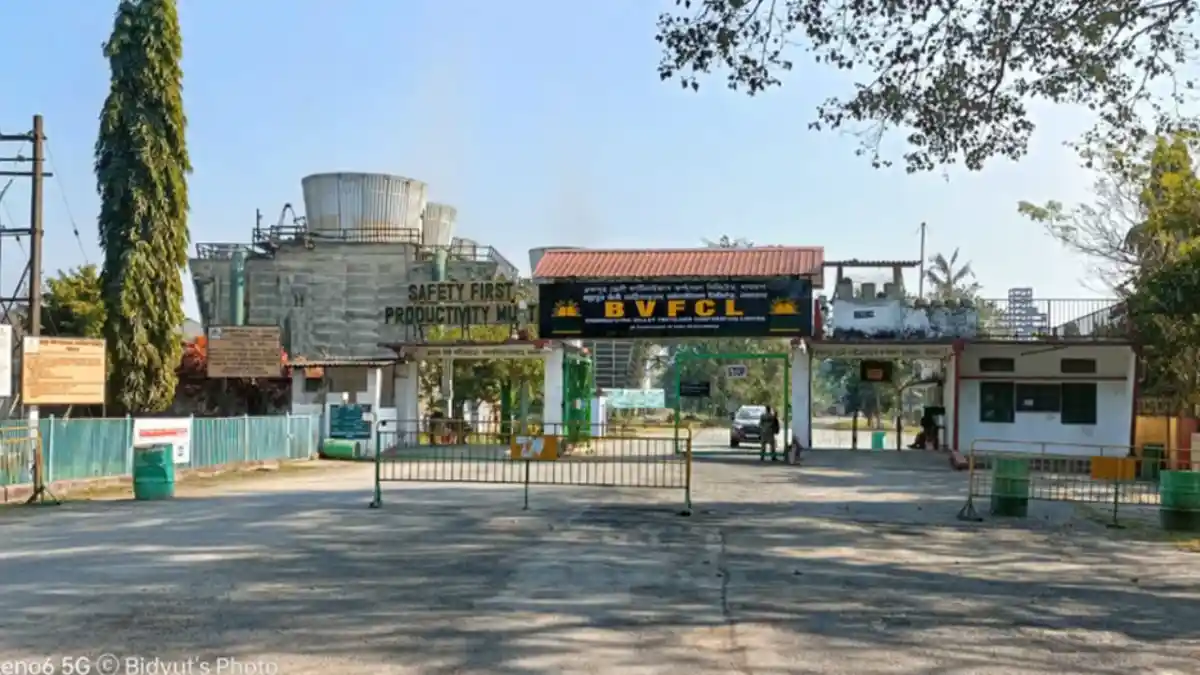
The Namrup-IV plant will be developed at the existing fertilizer complex in Namrup, located in the Dibrugarh district of Assam. Adopting a brownfield development approach, the project minimizes new land acquisition while leveraging existing infrastructure, utilities, and regional natural gas access.
Once commissioned, the facility will produce 12.7 lakh metric tonnes (LMT) of urea annually (approximately 1.27 million tonnes), making it one of the most significant capacity additions in India’s fertilizer sector in recent years.
The plant is strategically positioned to serve Assam, the entire Northeast, Bihar, Jharkhand, West Bengal, eastern Uttar Pradesh, and nearby export-friendly markets such as Bangladesh, Bhutan, and Myanmar—significantly reducing logistics and transportation costs.
Investment Size and Financing Structure
The total estimated project cost is ₹10,601.40 crore (around USD 1.23 billion). Financing will follow a 70:30 debt-equity structure under the New Investment Policy (NIP) 2012, as amended in 2014.
Equity Participation
- Government of Assam – 40%
- Brahmaputra Valley Fertilizer Corporation Limited – 11%
- Hindustan Urvarak & Rasayan Limited (HURL) – 13%
- National Fertilizers Limited (NFL) – 18%
- Oil India Limited (OIL) – 18%
NFL has already committed ₹572.45 crore toward its equity contribution, underlining strong central public-sector backing for the project.
Timeline and Key Milestones
- March 18, 2025: Union Cabinet approval granted.
- December 20–21, 2025: Foundation stone laid, formally initiating execution.
- Commissioning Target: 48 months from foundation, with commercial operations expected by 2030.
An Inter-Ministerial Committee (IMC) is overseeing implementation to ensure coordination across energy, fertilizer, environment, and finance ministries.
Current Procurement and Review Status
Projects & Development India Limited (PDIL) has issued a Lumpsum Turnkey (LSTK) tender for the complete execution of the project. The tender covers:
- Design and detailed engineering
- Process licenses and technology integration
- Procurement and construction
- Statutory and environmental approvals
- Pre-commissioning, testing, and performance guarantee test runs
Bid submission and opening in early 2026 mark the phase where proposals are being assessed across technical soundness, financial viability, and environmental compliance, which explains the project’s current “under review” status.
Production Capacity and Technical Specifications
Single-Stream High-Efficiency Units
- Ammonia Capacity: 1,500 MTPD (up to 1,615 MTPD maximum)
- Urea Capacity: 2,620 MTPD (up to 2,831 MTPD prilled, neem-coated)
On a 365-day operating basis, this translates to approximately:
- ~547,500 metric tonnes of ammonia per year
- ~955,300 metric tonnes of urea per year
Official project documentation, however, pegs annual urea output at 12.7 LMT, accounting for optimized operating factors and enhanced efficiency.
Feedstock, Process Technology, and Energy Efficiency
Natural gas will serve as both feedstock and fuel, with a requirement of approximately 1.59 MMSCMD at full capacity. Ammonia production will utilize advanced steam-reforming technology, while urea synthesis will follow a total-recycle process for maximum material efficiency.
Energy consumption is targeted at around 5.0 Gcal per tonne of urea, aligning with global Best Available Technology (BAT) standards for low emissions and high efficiency.
Utilities, Storage, and Product Handling
- Ammonia storage: 2 × 5,000 MT refrigerated tanks
- Cooling water systems with multi-cell towers for ammonia and urea sections
- Captive power and integrated utility systems for uninterrupted operations
Finished urea will be stored for up to seven days (around 20,000 MT capacity) and handled through automated bagging, stitching, and rail-road dispatch systems to reduce manual intervention and improve turnaround time.
Strategic and Economic Importance
Despite steady growth in domestic fertilizer production, India continues to rely on urea imports. Namrup-IV directly addresses this gap by adding capacity in a region that previously lacked any modern ammonia-urea facility.
The project is expected to:
- Improve fertilizer availability for farmers in eastern and northeastern India
- Reduce import dependence and subsidy burden
- Create direct and indirect employment during construction and operations
- Support the national vision of self-reliance in fertilizers
Also Read:
- 8th Pay Commission Salary Hike 2026: Level 1 to 18 Pay Increase, Fitment Factor & Calculator
- 8th pay commission salary calculator
- IOCL Non Executive Recruitment 2026 Notification Out for 394 Junior Engineering Assistant & Other Posts
Why the Namrup-IV New Ammonia-Urea Fertilizer Plant Matters
The Namrup-IV ammonia-urea fertilizer plant represents a critical step in India’s long-term strategy to achieve self-reliance in urea production. Currently under technical, financial, and environmental review, the project is positioned to significantly strengthen fertilizer availability across eastern and northeastern India once operational.
By leveraging a brownfield development model, modern energy-efficient technology, and locally available natural gas, the project is expected to reduce import dependence, stabilize urea supply during peak agricultural seasons, and lower transportation costs for key states such as Assam, Bihar, West Bengal, and Jharkhand.
As bidding and approvals progress, Namrup-IV is set to emerge as a cornerstone infrastructure initiative supporting farmer welfare, agricultural productivity, and India’s broader Atmanirbhar Bharat vision in the fertilizer sector.